
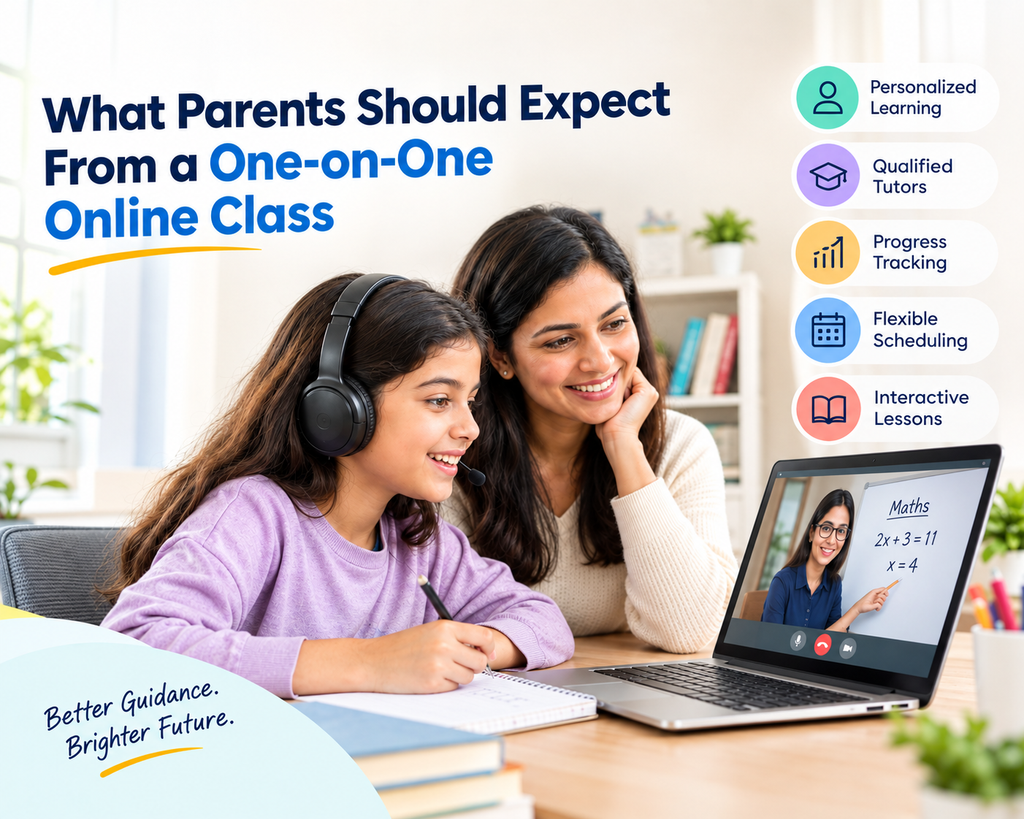
Choosing the right learning support for a child is an important decision for every parent. While school education provides the foundation, some students may need additional guidance to understand difficult concepts, practise important skills, or build confidence in specific subjects. A one-on-one online class can provide a more personalized learning experience by allowing a tutor to focus on an individual student’s needs.
However, not every online tuition service offers the same teaching quality or learning experience. Parents should understand what to expect before choosing a tutor or enrolling their child in an online program. From personalized lesson plans to regular feedback, several factors can influence whether online tutoring is suitable for a student’s academic goals.
If you are searching for the best online tuition class, knowing what makes an effective one-on-one session can help you make a more informed decision.
What Is a One-on-One Online Class?
A one-on-one online class is a learning session in which one tutor teaches one student through an online platform. Lessons usually take place through live video sessions and may include explanations, questions, practice exercises, and digital learning materials.
Unlike a traditional classroom, where a teacher divides attention among several students, individual online tutoring allows the tutor to concentrate on one learner’s understanding, pace, and specific learning challenges.
For example, if a student struggles with fractions in mathematics, the tutor can spend additional time explaining the concept, demonstrate different methods, and provide practice questions before moving to the next topic.
The main purpose is not simply to complete the syllabus but to help the student develop a stronger understanding of the subject.
1. Personalized Teaching Based on the Child’s Needs
One of the most important things parents should expect from individual online tutoring is personalized instruction.
Every student learns differently. Some children understand a concept after one explanation, while others need additional examples, visual demonstrations, or repeated practice. An effective tutor should recognize these differences and adapt the lesson accordingly.
Parents should expect the tutor to:
- Identify the student’s strengths and learning gaps.
- Explain difficult topics using clear examples.
- Adjust the pace according to the child’s understanding.
- Provide suitable practice exercises.
- Encourage questions and independent thinking.
A personalized approach can help students address specific difficulties instead of spending equal time on topics they already understand.
2. Qualified and Supportive Tutors
A good online class depends heavily on the tutor’s subject knowledge and teaching approach. Parents should review the tutor’s qualifications, relevant experience, subject expertise, and familiarity with the child’s grade or curriculum.
However, academic qualifications alone are not enough. An effective tutor should also communicate clearly, remain patient, and explain challenging concepts in a way the student can understand.
Before enrolling, parents can ask:
- Has the tutor taught students of a similar age or grade?
- Can the tutor explain difficult topics using practical examples?
- How does the tutor support students who lose confidence?
- Does the teaching approach match the child’s learning needs?
A supportive educator can make students feel more comfortable asking questions and learning from mistakes.
3. Interactive Lessons Instead of Passive Learning
Online tuition should involve more than watching a teacher explain information on a screen. Students need opportunities to participate, answer questions, solve problems, and demonstrate their understanding.
A productive one-on-one session may include live explanations, quizzes, problem-solving exercises, digital worksheets, and short revision activities.
For example, during a science lesson, a tutor might explain a concept, ask the student to describe it in their own words, and then use questions to check understanding.
Parents should look for classes that encourage active participation. This is particularly important for children who may hesitate to speak in a large classroom.
When comparing options for the best online tuition class, consider how much the student interacts with the tutor rather than focusing only on the number of lessons offered.
4. A Clear Learning Plan and Achievable Goals
Parents should expect a tutor to have a clear plan for helping their child progress. Lessons should connect with the student’s school syllabus, academic requirements, and individual learning goals.
A learning plan may include:
- Revising foundational concepts.
- Covering upcoming school topics.
- Practising questions from completed chapters.
- Preparing for examinations.
- Strengthening weaker subjects.
- Reviewing previous mistakes.
The tutor should also be willing to adjust the plan when the student’s needs change.
For instance, if a child understands a chapter well but struggles with application-based questions, the next sessions can focus more on problem-solving and practice.
Clear goals make it easier for parents and students to understand the purpose of each lesson.
5. Regular Feedback and Progress Tracking
Parents naturally want to know whether online tutoring is helping their child. Regular communication and meaningful feedback can make this easier.
An effective tutoring arrangement should provide information about the topics covered, areas of improvement, recurring difficulties, and the next learning priorities.
Progress can be assessed through short quizzes, practice assignments, oral questions, and periodic revision.
Parents should remember that improvement does not always mean an immediate increase in examination marks. A student may first begin asking more questions, solving problems independently, or understanding concepts that previously seemed difficult.
These developments can indicate progress, although academic results should also be reviewed over time.
When choosing the best online tuition class, ask how progress is measured and how frequently feedback will be shared.
6. Flexible Scheduling and a Comfortable Learning Environment
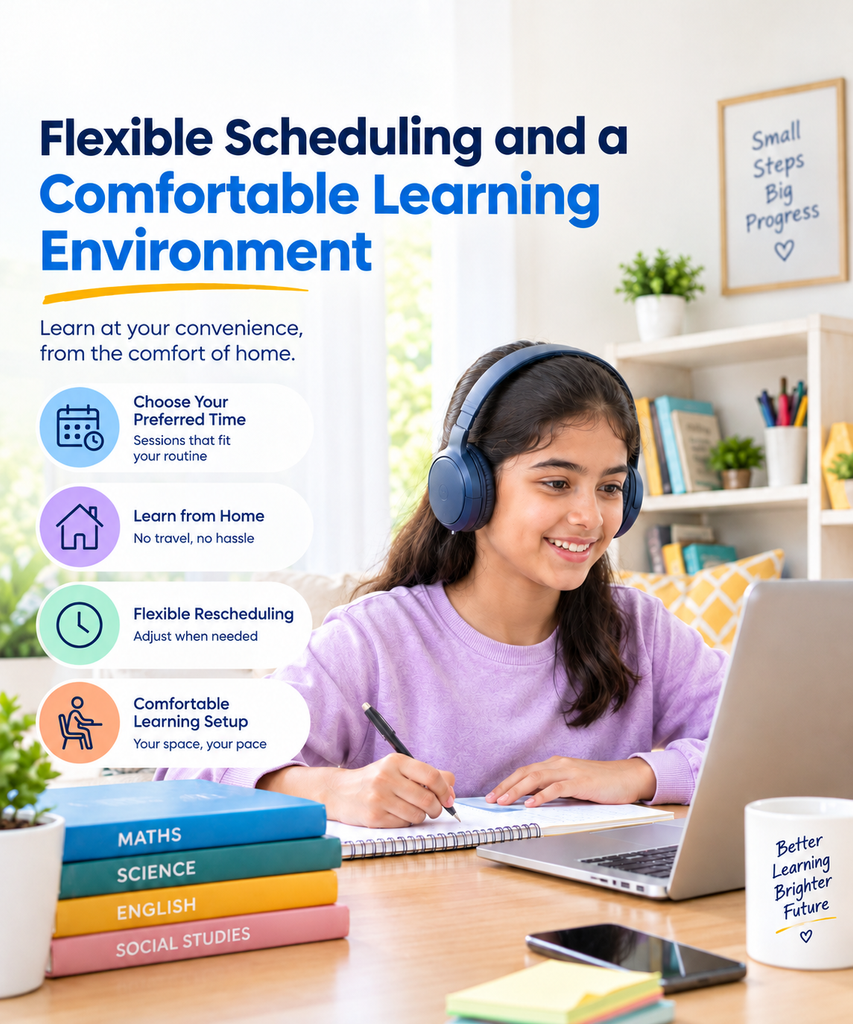
One of the practical advantages of online tutoring is that students can learn from home without travelling to a physical tuition centre.
This can help families manage school hours, extracurricular activities, revision time, and other daily responsibilities.
Parents should confirm the tutor’s availability, session duration, rescheduling rules, and the arrangements for missed classes before enrolling.
The home learning environment also matters. Students should have a suitable device, a stable internet connection, a quiet place to study, and access to the materials required for the lesson.
Parents can support their children by helping them establish a consistent routine while allowing them to take responsibility for their learning as they grow.
7. Useful Learning Resources and Revision Support
A one-on-one class can become more effective when students have opportunities to revise after the session.
Depending on the service, learning support may include worksheets, practice questions, lesson summaries, recorded classes, and additional revision materials.
These resources allow students to revisit challenging concepts instead of relying entirely on memory.
For example, a student preparing for an examination can review a recorded explanation, attempt related questions, and note any doubts for the next class.
GenieClasses highlights features such as customized worksheets, guided corrections, class recording access for up to 180 days, and AI-powered learning insights. Parents can explore these features to understand how the platform supports learning beyond live sessions.
The availability and suitability of specific features should be confirmed when selecting a learning plan.
8. Transparent Communication With Parents
Parents should understand how the tutoring process works, what the fees cover, and whom to contact if they have concerns.
Before enrolling, check the pricing structure, payment terms, cancellation policy, technical requirements, and availability of support.
It is also useful to agree on how the tutor will communicate progress and discuss any learning difficulties.
Good communication creates a clearer understanding between parents, students, and tutors. It also helps families identify problems early and make adjustments when necessary.
To learn more about the platform and its learning approach, visit the About Us page on GenieClasses. For questions about available tutoring options, visit the Contact Us page.
How to Choose the Best Online Tuition Class for Your Child
Selecting the right program requires more than comparing prices or choosing the first available tutor. Parents should evaluate the complete learning experience.
Use this checklist before making a decision:
| What to check | What parents should look for |
|---|---|
| Tutor expertise | Relevant qualifications and subject knowledge |
| Personalization | Lessons suited to the child’s learning needs |
| Interaction | Opportunities to ask questions and practise |
| Learning plan | Clear goals connected to academic requirements |
| Progress tracking | Regular feedback and ways to assess understanding |
| Learning resources | Useful materials for practice and revision |
| Flexibility | Suitable schedules and clear class policies |
| Communication | Accessible support and transparent information |
Whenever possible, consider booking a demonstration session. It can help you observe the tutor’s teaching style and determine whether your child feels comfortable participating.
The best online tuition class is one that matches the student’s needs, offers appropriate teaching support, and encourages consistent learning rather than promising instant results.
Frequently Asked Questions
1. What should parents expect from a one-on-one online class?
Parents should expect personalized instruction, interactive lessons, a suitable learning plan, opportunities to ask questions, and feedback about the child’s progress. The exact features depend on the tutor and the platform.
2. Is one-on-one online tutoring suitable for school students?
Yes. One-on-one tutoring can be suitable for school students who need additional explanations, subject-specific practice, examination preparation, or a learning pace that differs from their classroom experience.
3. How can parents know if an online tutor is effective?
Parents can look for improved understanding, active participation, more independent problem-solving, completed practice work, and progress toward learning goals. Regular feedback and assessments can help evaluate improvement over time.
4. How often should a child attend one-on-one online classes?
The ideal frequency depends on the student’s grade, subject difficulty, academic goals, and existing workload. Parents should discuss a realistic schedule with the tutor and ensure the child has enough time for independent practice and rest.
5. What equipment does a child need for online tuition?
Most live online classes require a suitable computer, tablet, or smartphone, a stable internet connection, and a quiet learning space. Some lessons may also require headphones, a notebook, or specific learning materials.
6. How should parents compare different online tuition classes?
Compare tutor qualifications, teaching methods, personalization, lesson schedules, learning resources, progress tracking, fees, and support policies. A demonstration class can help determine whether the teaching style suits your child.
7. How do I find the best online tuition class for my child?
Start by identifying the subjects and skills your child needs help with. Then compare suitable tutors, review their teaching experience, ask about progress tracking, and choose a learning arrangement that fits your child’s goals and schedule.
Conclusion
A one-on-one online class should offer more than convenience. It should give students an opportunity to learn at an appropriate pace, clarify doubts, practise essential skills, and build confidence through supportive instruction.
Parents can make better decisions by checking tutor qualifications, lesson quality, personalization, progress tracking, communication, and the availability of revision resources. They should also consider their child’s comfort and willingness to participate.
Finding the best online tuition class means choosing a learning experience that responds to the child’s individual needs and supports steady academic development. With realistic expectations, regular communication, and consistent practice, online tutoring can become a useful part of a student’s educational journey.
Explore GenieClasses to learn about its online tutoring options, visit the About Us page to understand its approach, or contact the team through the Contact Us page for further information.